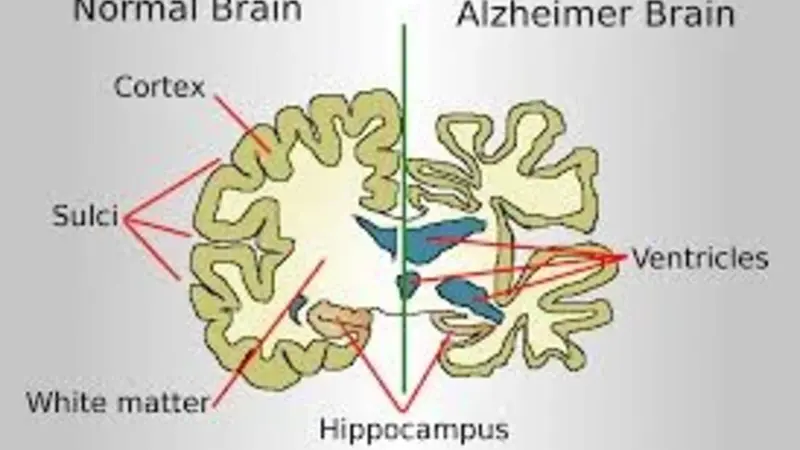
Alzheimer’s disease remains one of the most daunting challenges in modern medicine, affecting an estimated 5.8 million Americans age 65 and older. Despite the increasing prevalence of the disease, recent research advancements offer glimmers of hope. Researchers are exploring innovative approaches ranging from gene therapy to lifestyle interventions, striving to slow or even halt the progression of Alzheimer’s.
The urgency to find a cure for Alzheimer’s is palpable, as the disease not only affects those diagnosed but also their families and the healthcare system. This article delves into the latest developments that are shaping the battle against this degenerative condition. Below, we explore how these scientific endeavors may pave the way for breakthrough treatments and preventive strategies.
Exploring Gene Therapy: A New Frontier in Alzheimer’s Disease Research
Gene therapy has emerged as a compelling treatment prospect for Alzheimer’s disease. By targeting specific genes associated with the condition, scientists aim to correct the underlying genetic factors that contribute to its development. This method holds the potential to provide long-term benefits or even a permanent solution for those at risk of the disease.
Engaging in physical activity, embracing a nutrient-rich diet, and maintaining social and mental stimulation can be powerful tools in preserving cognitive function, a worthy pursuit alongside the ongoing scientific efforts to find a cure for alzheimers.
Several studies have identified genes like APOE-e4 as significant risk factors for Alzheimer’s. Efforts to develop gene-editing techniques such as CRISPR-Cas9 have gained momentum, with preliminary research suggesting the potential to reduce the buildup of amyloid plaques, a hallmark of the disease, in neural cells.
While gene therapy is still in its nascent stages, those interested in contributing to research efforts can participate in clinical trials or support organizations dedicated to finding a cure for Alzheimer’s, such as donating to targeted genetic research.
Advances in Immunotherapy: Targeting Alzheimer’s at Its Roots
Immunotherapy is transforming the therapeutic landscape for Alzheimer’s by leveraging the body’s immune system to fight the disease. Antibody treatments are designed to recognize and neutralize proteins that accumulate abnormally in the Alzheimer’s brain, such as amyloid beta and tau.
One such promising immunotherapy drug, aducanumab, was approved by the FDA in 2021, marking a significant step forward in Alzheimer’s treatment. While its efficacy remains the subject of ongoing research and debate, aducanumab has the potential to reduce cognitive decline in some patients by targeting and clearing amyloid plaques.
Patients and caregivers seeking to stay informed about immunotherapy options may consult healthcare professionals or follow updates from reputable medical institutions. Staying informed about clinical trials provides opportunities to access pioneering treatments and contribute to collective knowledge.
Breakthroughs in Brain Imaging Technologies for Early Detection
Identifying Alzheimer’s disease in its early stages is crucial for effective intervention. Advances in brain imaging technologies have bolstered early detection by enabling visualization of subtle brain changes that precede noticeable symptoms.
MRI and PET scans, which can now pinpoint biological markers of Alzheimer’s, have improved the accuracy of diagnoses and thus, the tailoring of treatments. For instance, the development of PET tracers that bind to tau proteins offers a clearer picture of how Alzheimer’s progresses in the brain
Individuals concerned about their cognitive health should discuss the availability of advanced imaging tests with their healthcare providers. These tools can provide valuable insights into one’s neurological status and serve as a reference point for potential future treatments.
Lifestyle Interventions and Brain Health: Can Prevention Play a Role?
While medical treatments are at the forefront of Alzheimer’s research, lifestyle interventions have also been shown to influence brain health. Factors such as diet, exercise, and cognitive engagement are under investigation for their potential to reduce the risk of Alzheimer’s disease.
Evidence suggests that the Mediterranean-DASH Intervention for Neurodegenerative Delay (MIND) diet, rich in plant-based foods and low in unhealthy fats, may lower the risk of cognitive decline. Additionally, regular aerobic exercise has been associated with reduced amyloid buildup in the brains of older adults.
The journey to conquer Alzheimer’s disease is marked by a confluence of innovative research and preventative strategies. Groundbreaking treatments like gene therapy and immunotherapy are spearheading hopes for a cure, while state-of-the-art imaging and lifestyle modifications provide essential support in early detection and risk reduction. These multipronged approaches represent a beacon of hope for millions affected by Alzheimer’s, promising a future where the tides of this disease can be turned.