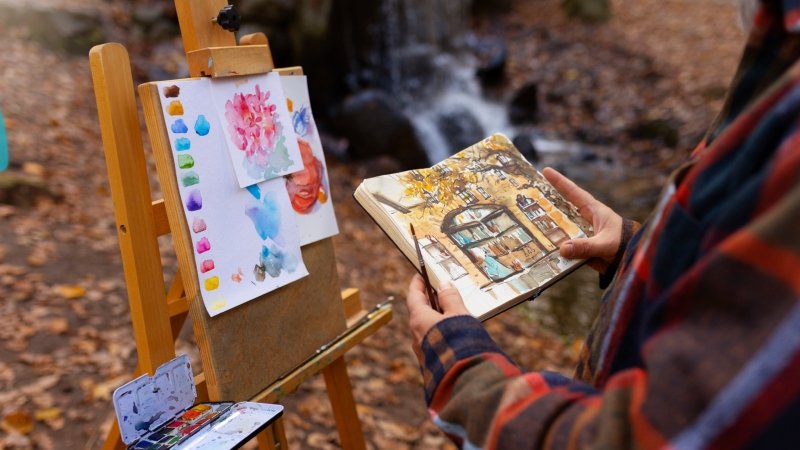
Fine art has always been a mirror of human emotion, culture, and imagination. From ancient cave drawings to contemporary abstract canvases, art continues to evolve while preserving its core purpose—expression. Fine Art Infoguide Artypaintgall is created for readers who want to understand fine art beyond surface beauty and connect with its deeper meaning. This guide explores styles, techniques, and artistic value in a way that feels accessible, inspiring, and practical.
Whether you are an art enthusiast, a beginner painter, or someone who simply appreciates creativity, this article will help you navigate the world of fine art with clarity and confidence.
Understanding the Meaning of Fine Art
Fine art refers to creative works produced primarily for aesthetic and intellectual value. Unlike commercial or decorative art, fine art focuses on expression, emotion, and interpretation rather than function.
Paintings, sculptures, drawings, and mixed media artworks fall under this category. Each piece reflects the artist’s vision, personal experiences, and cultural background. Fine art encourages viewers to pause, observe, and interpret meaning in their own way.
What makes fine art powerful is its timeless relevance. A painting created centuries ago can still evoke emotion today because it speaks a universal language.
Why Fine Art Still Matters Today
In a fast-paced digital world, fine art offers a moment of stillness. It invites reflection and emotional connection. Many people turn to art not just for decoration, but for inspiration and mental clarity.
Art also plays a critical role in preserving history. Movements such as Renaissance realism or modern minimalism reflect the social and political climates of their time. By studying fine art, we gain insight into humanity itself.
Moreover, fine art fuels creativity across industries. Fashion, architecture, and even technology often draw inspiration from artistic movements and visual storytelling. Visit Betweencarpools.net for more details.
Exploring Artistic Styles and Movements
Fine art includes a wide range of styles, each with its own visual language and philosophy.
Classical Art
Classical art emphasizes balance, proportion, and realism. Artists focused on accurate human anatomy and harmonious composition. These works often depict mythology, religion, and historical events.
Impressionism
Impressionist artists moved away from detail and realism. Instead, they captured light, movement, and everyday moments. Loose brushwork and vibrant colors define this style.
Abstract Art
Abstract art breaks traditional rules. Shapes, lines, and colors are used to convey emotion rather than recognizable subjects. Interpretation depends entirely on the viewer.
Contemporary Art
Contemporary art reflects modern themes such as identity, technology, and social change. Artists experiment with materials, concepts, and unconventional formats to challenge traditional thinking.
Each style adds depth to the fine art world, offering something unique to explore.
Techniques That Shape Fine Art
Behind every artwork lies technique. These methods define texture, mood, and overall impact.
Brush techniques control movement and depth. Thick strokes can add intensity, while soft blending creates calmness. Color theory plays a crucial role as well. Warm tones often express energy, while cool tones suggest tranquility.
Composition guides the viewer’s eye across the artwork. Balance, contrast, and focal points help create visual harmony. Artists also experiment with perspective to add dimension and realism.
Understanding these techniques allows viewers to appreciate the skill and intention behind each piece.
The Emotional Power of Visual Storytelling
Fine art communicates without words. A single image can convey joy, sorrow, struggle, or hope. This emotional connection is what makes art deeply personal.
Viewers bring their own experiences to an artwork. Two people may see the same painting yet feel entirely different emotions. This open interpretation makes fine art meaningful and engaging.
Artists often use symbolism to add layers of meaning. Objects, colors, and gestures can represent ideas beyond what is visible on the surface.
How Galleries Curate Artistic Experiences
Art galleries play an important role in shaping how we experience fine art. Curators carefully select and arrange artworks to create a narrative flow.
Lighting, spacing, and placement influence perception. A well-curated space allows each artwork to breathe while guiding visitors through a visual journey.
Galleries also provide context through descriptions and exhibitions. This helps viewers understand artistic intent without limiting personal interpretation.
Platforms inspired by Fine Art Infoguide Artypaintgall aim to make this experience approachable, even for those new to art appreciation.
Collecting Fine Art With Confidence
Art collecting is not just for experts or investors. Many collectors start by purchasing pieces they genuinely connect with.
Understanding style, medium, and artist background helps in making informed choices. However, emotional resonance should always come first. A meaningful artwork adds lasting value beyond price.
Proper care is essential. Protecting artwork from sunlight, humidity, and physical damage preserves its beauty over time.
Art collecting becomes more fulfilling when guided by knowledge and passion rather than trends alone.
The Role of Creativity in Modern Life
Creativity is not limited to artists. Engaging with fine art encourages creative thinking in everyday life. It improves problem-solving, emotional intelligence, and self-expression.
Many people turn to art for relaxation and mindfulness. Painting, sketching, or simply observing artwork can reduce stress and improve focus.
Fine art also builds cultural awareness. It exposes us to diverse perspectives and experiences from around the world.
Learning and Growing Through Art Education
Art education enhances appreciation and understanding. Learning about techniques, history, and styles deepens the viewing experience.
Guides like Fine Art Infoguide Artypaintgall help bridge the gap between beginners and experienced art lovers. They simplify complex concepts without losing depth.
Workshops, online resources, and guided reading encourage continuous growth. Art is not something to master overnight—it is a lifelong journey.
Digital Influence on Fine Art Appreciation
Technology has transformed how people interact with art. Digital galleries and virtual exhibitions allow global access to creativity.
Artists now experiment with digital tools while preserving traditional techniques. This fusion expands artistic possibilities and reaches wider audiences.
Despite digital growth, the emotional impact of fine art remains unchanged. Whether viewed on a screen or in person, meaningful art continues to inspire.
Building a Personal Connection With Art
The most rewarding part of fine art is personal connection. There is no right or wrong way to experience it.
Spend time with artworks. Observe details. Reflect on how they make you feel. Over time, your taste and understanding will evolve naturally.
Art becomes more meaningful when it is part of your daily life—on your walls, in your thoughts, and in your creative expression.
Final Thoughts on Artistic Exploration
Fine art is not reserved for galleries or experts. It belongs to anyone willing to observe, feel, and reflect. Through thoughtful guidance and exploration, art becomes less intimidating and more inviting.
Fine Art Infoguide Artypaintgall represents a pathway into this world—one that values clarity, creativity, and genuine appreciation. As you explore fine art, let curiosity lead and emotion guide your understanding.