Emergencies can happen anytime, and knowing what to do can save a life. Basic Life Support (BLS) certification teaches people how to respond to serious emergencies like cardiac arrest, choking, or other life-threatening situations. The best part?
Getting BLS certified is easier than you think. By following a simple, step-by-step process, anyone can learn the skills needed to save lives. Read on.
What Is BLS Certification?
BLS certification is designed for healthcare workers, first responders, and anyone who wants to be prepared in an emergency. It focuses on life-saving skills like CPR (cardiopulmonary resuscitation), using an AED (automated external defibrillator), and helping someone who is choking.
Unlike general first aid, BLS gives you the knowledge and confidence to act quickly in critical moments. Having this certification can boost your career and, more importantly, give you the ability to help someone in need.
Step 1: Pick the Right Course
The first step is to choose a course from a trusted organization. Many courses are offered in person or online with some hands-on training.
When picking a course, think about your schedule, learning style, and whether your workplace or school requires a specific certification. Check out one of the top providers of BLS online programs to learn more.
Step 2: Learn the Basics
After enrolling, start learning the course materials. Most programs give you manuals, videos, and interactive lessons that explain how to do CPR, use an AED, and check if the scene is safe.
Take your time to understand each step. Many courses have short quizzes to help you remember important information, which makes practicing easier later.
Step 3: Practice Hands-On Skills
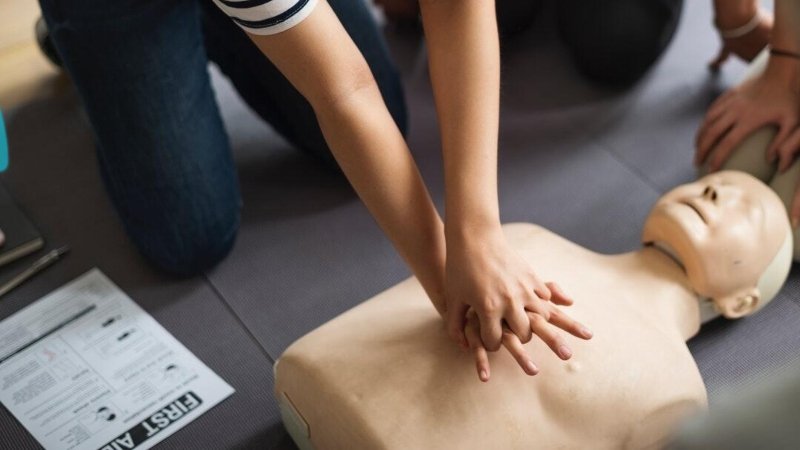
BLS is a hands-on skill, so practicing is key. In in-person classes, you’ll practice CPR on mannequins and run through emergency scenarios.
This helps you build confidence and muscle memory so you can react quickly in real emergencies. If you take a blended course, you might first watch videos and then practice in person with an instructor guiding you.
Step 4: Pass the Skills Test
Once you finish training, you will take a skills test. An instructor will watch you perform CPR, use an AED, and help someone who is choking.
Some courses also include a short written test. Passing both tests is necessary to get your BLS certification.
Step 5: Keep Your Certification Current
BLS certification usually lasts for two years. Before it expires, you’ll need a refresher course to keep your skills sharp. Regular practice ensures you are always ready to act if an emergency happens.
Why BLS Skills Matter Beyond Certification
Even after earning your certificate, the skills you learn in BLS training can have a real impact on everyday life. From helping a coworker who collapses to assisting a family member during a choking incident, these skills empower you to act confidently and calmly. BLS training doesn’t just make you certified-it makes you a true lifesaver.
Start Your Journey to a Better Career Today
BLS certification doesn’t have to be complicated. By following these steps-choosing the right course, learning the basics, practicing skills, passing the test, keeping your certification current, and understanding the real-world value of these skills-you can become a confident lifesaver. With these skills, you’re not just earning a certificate; you’re gaining the power to help someone when it matters most.
If you want to read more articles, visit our blog.